The Story
It is a story of deception, showmanship, art and ingenuity kept secret for nearly 50 years. Author and historian John Gawne says it is "one of the last great stories of World War II," while the National World War II Museum proclaims, "The Ghost Army's story is one that needs to be told."
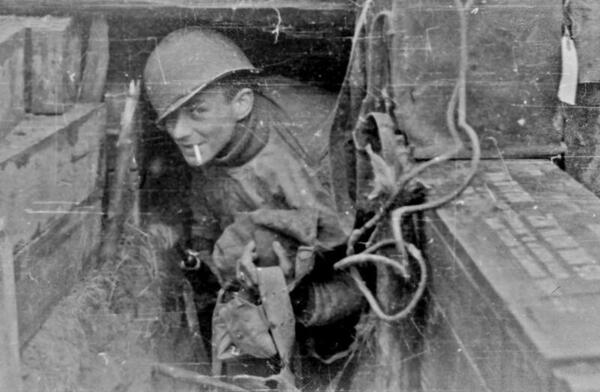
In June of 1944, an exceptional U.S. Army unit went into action in Normandy. Its weapons included hundreds of inflatable tanks and a one-of-a-kind collection of sound effects records, and it carried out its battlefield mission without firing a shot. The unit was officially called the 23rd Headquarters Special Troops, but it was known to its men as The Ghost Army.
The mission of this top-secret unit was to create a traveling road show to deceive the Germans about the location and strength of American troops on battlefields across Europe. From Normandy to the Rhine, they staged 20 battlefield deceptions, employing an array of inflatables (tanks, trucks, jeeps, airplanes), sound trucks, phony radio transmissions and even playacting to fool the enemy.

Like actors in a repertory theater, the men of the 23rd had to ask themselves with each mission: Who are we this week? Whats our story? Then they would put on a show, with the Nazis as their audience.

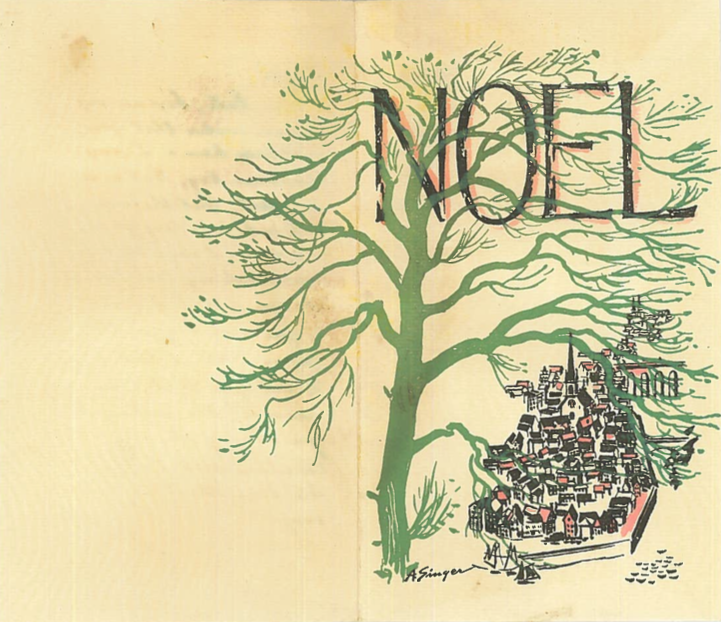
Some of the soldier-artists of The Ghost Army went on to have a major influence on postwar art and design in America, including fashion designer Bill Blass, sculptor and painter Ellsworth Kelly, and photographer Art Kane.

Plate of Peas Productions